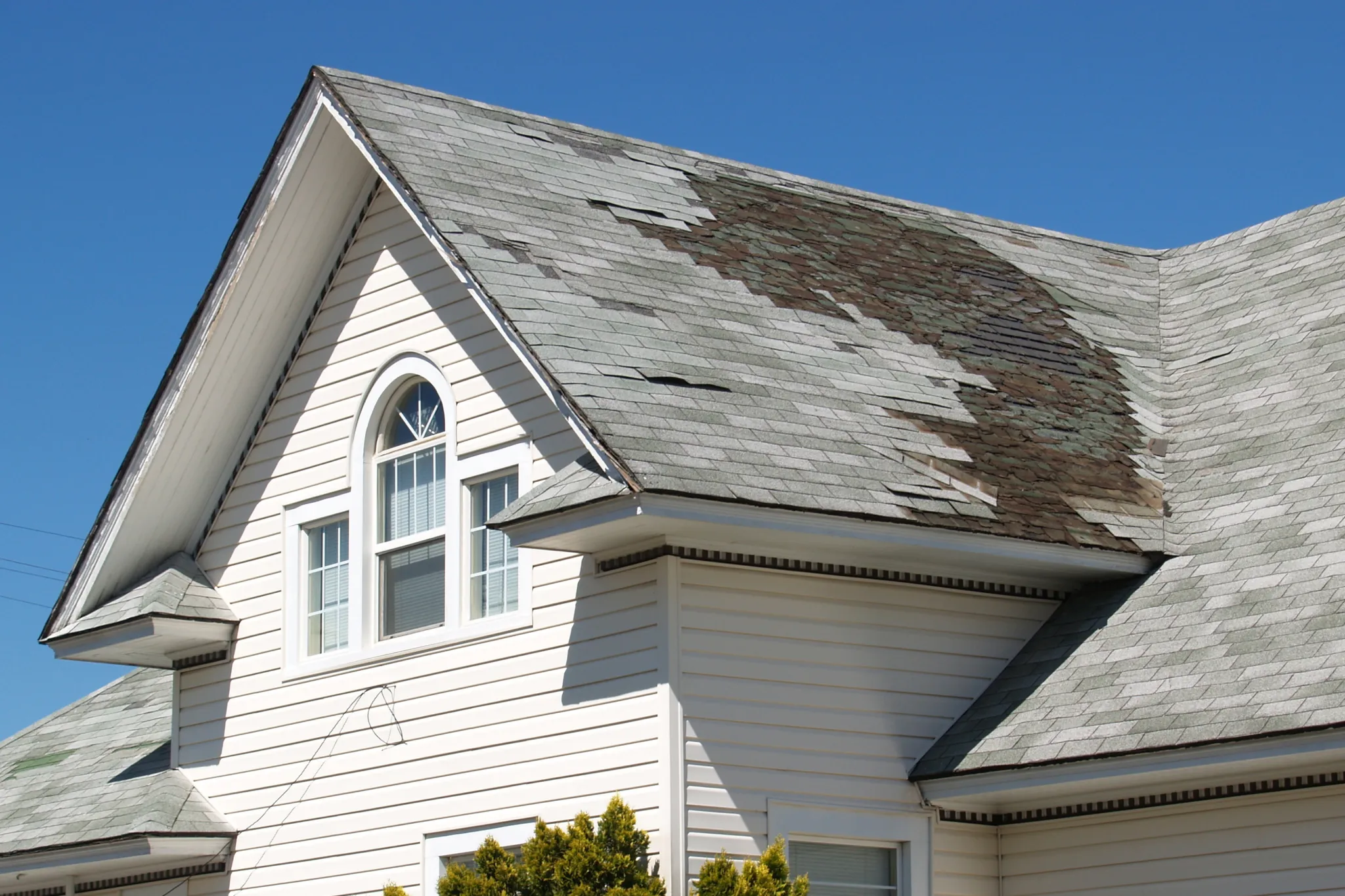
Quick Answer: First Steps After Roof Storm Damage
After a storm damages your roof, take these first steps in order. First, make sure everyone is safe, staying away from downed power lines, structural hazards, and any unstable areas. Check inside the home for signs of water coming in, like ceiling stains, drips, or wet spots, and move or cover belongings under any leaks. Document the damage with photos of what you can safely see, inside and from the ground outside, and note the storm date. Take temporary measures to limit further damage, like containing water with buckets, but avoid getting on the roof yourself, since roofs are dangerous, especially when damaged or wet. Contact a reputable roofer for a professional inspection and any needed temporary covering or repair, and contact your insurer to start a claim if warranted, since storm damage is often covered, though coverage varies by policy. For a Fairland homeowner, acting calmly in this order protects your home and supports any claim, with a professional handling the roof itself.
Stay Safe First
Safety is the first priority after roof storm damage. Stay away from downed or damaged power lines, which can be deadly, and report them to the utility company. Watch for structural hazards, sagging ceilings, or unstable areas inside and outside the home, and leave the home if you suspect serious structural damage. For a Fairland homeowner, this means assessing safety before anything else and not taking risks. Understanding that safety comes first helps you avoid harm. No inspection or documentation is worth risking injury, so ensuring everyone is safe, avoiding hazards, and leaving the area if it is unsafe are the essential first actions after a storm damages your roof.
Contact Your Insurer
If the damage is significant, contact your insurer to start a claim, since storm damage is often covered by homeowners insurance, though coverage varies by policy, insurer, and location. Report the damage, provide your documentation, and follow the insurer's claims process, which typically includes an assessment. For a Fairland homeowner, a professional inspection documents the damage to support the claim. Understanding the insurance step helps you pursue any coverage. Because storm damage may be covered, contacting your insurer, providing documentation, and following their process are the practical steps, though the specifics of coverage, deductibles, and the process depend on your policy, so reviewing your coverage and discussing the damage with your insurer clarifies your situation for your home.
Mitigate Further Damage
Taking reasonable temporary measures to limit further damage is sensible and often expected by insurers. Inside, contain dripping water with buckets and move or cover belongings away from leaks. A roofer can place a temporary covering, like a tarp, over the damaged area to keep water out until repairs, which is best left to a professional rather than attempted on the roof yourself. For a Fairland homeowner, these measures limit the damage while you arrange repairs. Understanding the value of mitigation helps you protect your home. Limiting further damage with safe temporary measures, and having a professional cover the roof, helps prevent the damage from worsening before repairs for your home.
Document the Damage
Documenting the damage is an important early step, especially if you may file an insurance claim. Take photos of what you can safely see, interior water damage, ceiling stains, and any roof damage visible from the ground, and note the date of the storm. For a Fairland homeowner, this documentation supports a professional inspection and any insurance claim. Understanding the value of documenting helps you prepare. Photos and notes of the storm and the damage provide a record that complements the professional inspection and supports a claim, so documenting what you find, safely and from accessible vantage points, is worthwhile, giving you and your insurer a record of the damage right after the storm for your home.
Check for Interior Damage
Once it is safe, check inside the home for signs of storm damage and water intrusion. Look for ceiling stains, drips, wet spots on walls or ceilings, bulging areas, or water pooling, which indicate the roof may be letting water in. For a Fairland homeowner, finding interior water signs means the roof was likely compromised and water is entering, so addressing it promptly limits damage. Understanding the value of checking inside helps you catch active leaks. Interior signs of water are an important indicator of roof damage and ongoing intrusion, so checking ceilings and walls for stains, drips, and wet spots helps you identify active leaks and take temporary measures to limit the damage to your home.
Avoid Storm-Chasing Scams
After major storms, be cautious of door to door contractors who may pressure you or do substandard work, sometimes called storm chasers. Be wary of unsolicited offers, high pressure tactics, demands for large upfront payments, or pressure to sign quickly. For a Fairland homeowner, this means taking time to choose a reputable, established local roofer rather than rushing into a deal with an unknown contractor. Understanding how to avoid scams helps you protect yourself. Reputable roofers do not rely on high pressure door to door tactics, so being cautious of unsolicited offers and choosing an established, licensed, insured, well reviewed local roofer helps you avoid scams and get quality work after a storm for your home.
Contact a Roofer
Contacting a reputable roofer for a professional inspection is a key early step, since a qualified roofer can safely assess the roof, identify the storm damage and its extent, place a temporary covering if needed, and advise on repairs. For a Fairland homeowner, a professional inspection provides an accurate assessment that guides repairs and supports any insurance claim. Understanding the value of calling a roofer helps you get an accurate picture. Rather than guessing at the damage or risking the roof yourself, a professional inspection gives you a reliable assessment and a plan, so contacting a trusted roofer is an important first step. Fairland Roofing provides roof inspections and storm damage repairs for Fairland homeowners.
The Bottom Line
After roof storm damage, take these first steps: ensure everyone is safe, check inside for water, document the damage, take temporary measures to limit it, avoid the roof yourself, contact a reputable roofer for an inspection, and contact your insurer about a claim. For a Fairland homeowner, acting calmly in this order protects your home and supports any claim, with a professional handling the roof. Storm damage is often covered by insurance, though coverage varies by policy. Fairland Roofing provides roof inspections and storm damage repairs for Fairland homeowners. Call (765) 703-7901 after a storm to arrange a professional inspection and repair.
Plan the Repair
Once the immediate steps are handled, plan the repair based on the professional inspection and any insurance claim. Work with your chosen roofer to schedule the repairs, coordinate with your insurer as needed, and have the roof restored to good condition. For a Fairland homeowner, proceeding with a reputable roofer ensures quality repairs. Fairland Roofing provides storm damage repairs for Fairland homeowners and can coordinate the repair after the inspection. Understanding how to plan the repair helps you complete the process. Rather than leaving the damage unaddressed, arranging quality repairs with a trusted roofer, in coordination with any insurance claim, restores the roof and protects your home from further damage, completing your response to the storm for your home.
Avoid the Roof Yourself
While it is tempting to inspect or patch the roof yourself, this is best avoided, since roofs are dangerous to walk on, especially when damaged or wet, and a fall can cause serious injury. Leave climbing on the roof, close inspection, and any roof covering or repair to a professional with the proper equipment and experience. For a Fairland homeowner, this means checking from the ground and inside, and leaving the roof to the pros. Understanding why to avoid the roof helps you stay safe. The risk of injury from a damaged, slippery roof is not worth it, so checking from safe vantage points and having a professional handle the roof itself is the safe approach after storm damage for your home.
Keep Records and Receipts
Throughout the process, keep good records, since they support your insurance claim and help you stay organized. Save your photos and notes, keep receipts for any temporary measures or emergency expenses, and record communications with your roofer and insurer. For a Fairland homeowner, organized records make the claim process smoother and document your costs. Understanding the value of records helps you prepare. Insurers often consider reasonable expenses to limit damage, so keeping receipts and documentation, along with a record of the damage and communications, supports your claim and keeps the process organized, so maintaining good records from the start is a practical part of handling storm damage for your home.